Stretching from the Hastings River to the Myall Lakes, the Mid North Coast of New South Wales is a haven for bird life, especially sea birds that thrive along its beaches, estuaries, headlands, and offshore islands. With over 30% of the region dedicated to conservation, this coastal corridor offers rich habitats for both resident and migratory species, making it a hotspot for birdwatchers and nature lovers alike.
Sea birds are species that rely on the ocean for food and often nest along coastal areas. Unlike shorebirds, which forage on mudflats and beaches, sea birds typically feed on fish, squid, and other marine life. They include gulls, terns, shearwaters, petrels, cormorants, and albatrosses.
Common Sea Birds of the Region

Silver Gull (Chroicocephalus novaehollandiae)
The most familiar sea bird in Australia, the silver gull is often seen scavenging near beaches and picnic areas. With its bright red bill and legs, it’s a staple of coastal life and breeds in colonies along the shore.

Crested Tern (Thalasseus bergii)
These elegant birds are often spotted diving for fish in estuaries and offshore waters. They nest in large colonies and are known for their shaggy black crest and loud, rasping calls.

Wedge-tailed Shearwater (Ardenna pacifica)
A true ocean wanderer, this shearwater breeds on offshore islands and spends much of its life gliding over the open sea. They return to the NSW coast in spring to nest in burrows.
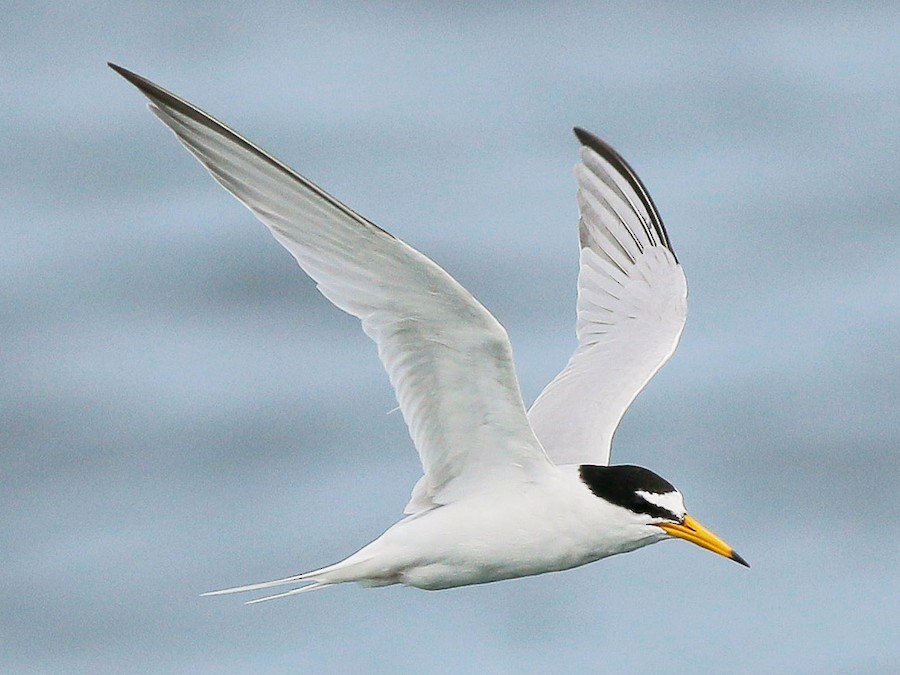
Little Tern (Sternula albifrons)
Endangered in NSW, the little tern nests on sandy beaches and spits. Conservation efforts have helped protect its fragile nesting sites, especially around Port Macquarie and the Hastings River.
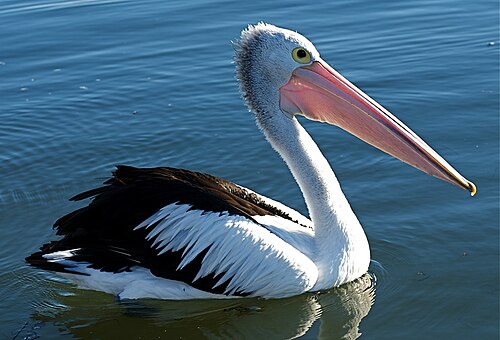
Australian Pelican (Pelecanus conspicillatus)
With its massive bill and graceful flight, the pelican is a striking sight along the Mid North Coast. These birds often gather in estuaries and lagoons, feeding on fish and occasionally scavenging.
Migratory Visitors
The Mid North Coast is part of the East Asian–Australasian Flyway, a major migratory route for shorebirds and seabirds. Species like the short-tailed shearwater travel over 15,000 km from the Bering Sea to breed in Australia. These birds arrive exhausted and vulnerable, often requiring rescue and rehabilitation.
Other migratory species include:
- Sooty Shearwater
- Fairy Prion
- White-faced Storm-Petrel
- Common Tern
These birds rely on the region’s protected habitats to rest and feed during their long journeys.
Bird watching Hot spots
- Hat Head National Park: Offers sightings of black swans, egrets, herons, and sea eagles soaring above the cliffs.
- Lake Cathie: A great spot for pelicans, reef egrets, and migratory terns.
- Muttonbird Island (Coffs Harbour): A breeding site for wedge-tailed shearwaters and a prime location for observing seabird migration.
- Wingham Brush Nature Reserve: Though more forested, it’s home to species that occasionally forage near coastal areas.
The sea birds of the Mid North Coast are more than just coastal companions—they are vital indicators of ocean health and biodiversity. Whether you’re watching a pelican glide over Lake Cathie or spotting a tern dive into the surf, each bird adds to the rich tapestry of life along this stunning stretch of coastline.
So next time you visit Hat Head or Port Macquarie, bring your binoculars, tread lightly, and take a moment to appreciate the winged wonders of the sea.
 You Rock Adventures and Nature
Leave a comment