Discover Hat Head, NSW: A Coastal Paradise
Nestled on the Mid North Coast of New South Wales, Hat Head is a tranquil seaside village that offers a perfect blend of natural beauty, outdoor adventure, and peaceful relaxation. Located within the stunning Macleay Valley Coast and surrounded by the pristine Hat Head National Park, this hidden gem is ideal for families, nature lovers, and anyone seeking a serene escape from the hustle and bustle.
Getting There
Hat Head is approximately 460 km north of Sydney and just a short drive from Kempsey, the nearest major town. The journey offers scenic views of the coast and hinterland, making the drive part of the adventure.
Best Time to Visit
Hat Head enjoys a mild coastal climate year-round, but the best months to visit are September to November and March to May, when temperatures are pleasant (20–26°C) and humidity is low. Summer (December to February) is great for swimming and water activities, while winter (June to August) offers excellent whale watching and fewer crowds.
Things to Do
1. Explore Hat Head National Park
This expansive park is a haven for wildlife and nature enthusiasts. With rugged coastlines, rainforests, wetlands, and sand dunes, it’s perfect for bushwalking, birdwatching, and photography. The park is culturally significant to the Dunghutti people, with ancient ceremonial grounds and shell middens scattered throughout.
2. Korogoro Walking Track
One of the most popular trails, this medium-grade hike winds through rainforest and heathland, offering panoramic coastal views, wildflowers, and even a blowhole. It’s a must-do for hikers and photographers.
3. Fishing Adventures
Hat Head is renowned for its beach, creek, and rock fishing. Drop a line at Connors Beach, Hungry Beach, or Korogoro Creek, where you can catch bream, flathead, whiting, and even mulloway. For deep-sea enthusiasts, Fish Rock is a famous spot—just be mindful of conservation zones.
4. Swimming and Snorkeling
The crystal-clear waters of Korogoro Creek are perfect for a refreshing swim or snorkel. Calm and shallow, it’s ideal for kids and families. The nearby beaches also offer great surf and sunbathing spots.
5. Whale Watching
From June to August, Hat Head becomes a prime location for spotting humpback whales as they migrate along the coast. Bring binoculars and head to the cliffs for a breathtaking view.
6. Picnics and Camping
There are several campgrounds and picnic areas within Hat Head National Park. Whether you prefer beachside camping or a quiet bush setting, you’ll find a spot to relax and reconnect with nature.
Accommodation
Hat Head offers a range of accommodation options to suit all budgets:
Hat Head Holiday Park: Located near the creek and beach, this park offers cabins, powered sites, and tent spaces.
Airbnb Rentals: From cozy beach houses to secluded forest cabins, there are plenty of highly rated options for families and couples.
Boutique Stays: Unique properties like the Post Office Boutique Accommodation offer charm and comfort with a touch of history.
Nearby South West Rocks: Just a short drive away, this town offers additional hotels and guesthouses if Hat Head is fully booked.
Local Tips
Pack sturdy shoes for walking tracks, as some trails can be rocky and steep.
Bring insect repellent, especially in warmer months.
Respect local wildlife and cultural heritage sites—many areas are protected.
Check tide times if you plan to fish or swim in the creek.
Final Thoughts
Hat Head is more than just a beach town—it’s a nature-based escape that invites you to slow down, breathe deeply, and immerse yourself in the beauty of the Australian coast. Whether you’re hiking through native bushland, casting a line into the surf, or simply watching the sunset over the dunes, Hat Head offers a truly unforgettable experience.
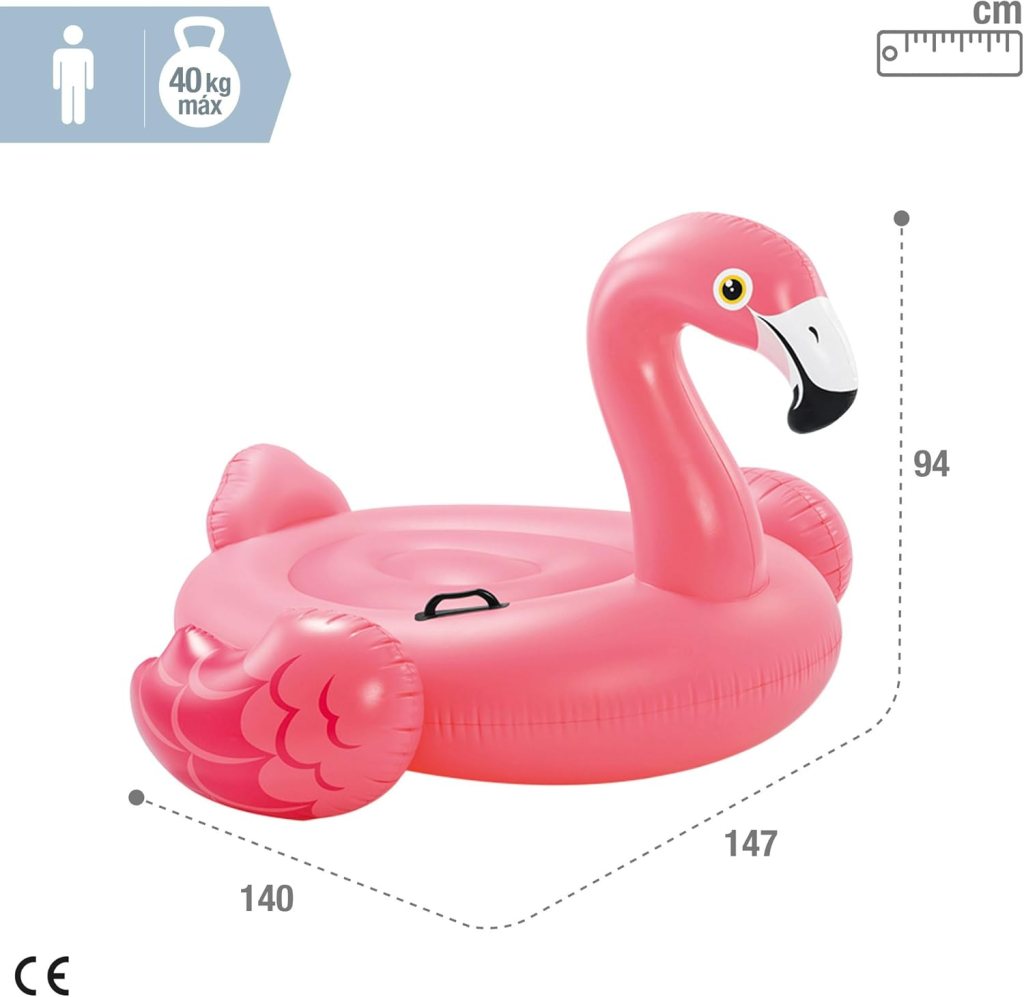
Flamingo
Floating the Tide: A Joyful Drift Down Korogoro Creek
There’s something magical about Hat Head, NSW. Maybe it’s the way the ocean breeze dances through the paperbark trees, or how the golden light hits the sand dunes at sunset. But for me, the real magic happens on Korogoro Creek—specifically, when the tide is going out and you’re floating along on a giant flamingo.
Yes, you read that right.
The Ritual of the Float
It’s become a bit of a local tradition. When the tide begins to retreat, families, kids, and even a few adventurous adults grab their floaties—everything from unicorns and donuts to classic pool noodles—and head to the calm, clear waters of Korogoro Creek. The creek, which snakes gently through Hat Head National Park before meeting the sea, becomes a natural lazy river.
The water is shallow enough to feel safe, but deep enough to let you drift. And when the tide is going out, it creates a gentle current that carries you downstream, past mangroves, sandy banks, and curious fish darting below.
My First Float
I joined the float parade on a sunny afternoon in late spring. Armed with a ridiculous watermelon-shaped floatie and a waterproof speaker playing Jack Johnson, I waded into the creek near the bridge. The water was cool and glassy, and the tide had just started to turn.
Within minutes, I was gliding effortlessly, carried by the tide like a leaf on the wind. Around me, kids squealed with delight, their floaties bumping into each other like bumper boats. Parents floated nearby, laughing and snapping photos. A golden retriever paddled alongside a group of teens on inflatable pizza slices.
It was pure joy.
Nature All Around
As you float, you’re surrounded by nature. White-faced herons stalk the shallows, and you might spot a sea eagle overhead. The creek banks are lined with native vegetation, and if you’re lucky, you’ll see a stingray gliding beneath you or a school of mullet darting past.
The water is so clear you can see the sandy bottom, and the occasional ripple from a fish or crab adds to the sense of being immersed in a living ecosystem.
Tips for the Best Float
Timing is everything: Check the tide charts and aim to start your float about 30 minutes before low tide. That’s when the current is strongest but still safe.
Bring a good floatie: Something sturdy and fun. Bonus points if it has cup holders.
Wear reef shoes: The creek bed can be rocky in places, and shoes help with getting in and out.
Sun protection: You’ll be out in the open, so slap on sunscreen, wear a hat, and bring sunglasses.
Safety first: Always supervise kids, and don’t float too close to the creek mouth where the current gets stronger.
The Drift Ends
Eventually, the float slows as the tide settles. You’ll find yourself near the mouth of the creek, where the water meets the sea. Some people hop out and walk back along the sandy track, dragging their floaties behind them. Others paddle back upstream, laughing and chatting as they go.
It’s a simple pleasure, but one that captures the essence of Hat Head—laid-back, connected to nature, and full of community spirit.
Final Thoughts
Floating down Korogoro Creek isn’t just a fun activity—it’s a memory-maker. Whether you’re five or fifty-five, there’s something universally joyful about letting the tide carry you while the sun warms your skin and the world slows down.
So next time you’re in Hat Head, grab a floatie and join the drift. You won’t regret it.our post.

 You Rock Adventures and Nature